
The first evening after a tooth is removed can feel longer than it really is. Your mouth may be numb, the socket may ooze slightly, and you may be wondering whether what you are seeing is normal. A clear tooth extraction healing timeline can take some of the worry out of recovery and help you protect the blood clot that allows the area to heal.
Healing is not identical for everyone. A straightforward extraction usually settles faster than a surgical extraction or wisdom tooth removal. Your general health, smoking or vaping, the reason the tooth was removed and how closely you follow aftercare instructions can also affect the pace of recovery.
Tooth extraction healing timeline: day by day
The first 24 hours: protect the blood clot
Once the tooth is removed, a blood clot forms in the socket. This is the foundation of healing, so the main goal on the first day is to leave it undisturbed. Bite firmly but gently on the gauze supplied by your dentist for the advised time. A small amount of blood-stained saliva or light oozing is common during this period.
Take it easy for the rest of the day. Keep your head elevated when resting, choose cool or lukewarm soft foods, and drink water from a cup. Avoid spitting, vigorous rinsing, using a straw, smoking or vaping, and strenuous exercise. These actions can dislodge the clot and increase the risk of dry socket, a painful condition where the underlying bone is exposed.
Use pain relief exactly as advised by your dentist or pharmacist. If you have been prescribed medication, take it as directed and let your dental team know if you experience a reaction or have concerns about mixing it with your regular medicines.
Days 2 to 3: swelling may peak
It is common for tenderness and swelling to become more noticeable over the second and third days, particularly after a surgical extraction. A cool pack against the outside of the cheek in short intervals can help during the first day or two. Any bruising may take several days to appear and can look more dramatic before it fades.
After the first 24 hours, gentle warm salt-water rinses can help keep the area clean. Use a small amount of salt dissolved in warm water, let it roll around your mouth without force, then allow it to fall out rather than spitting hard. Continue brushing your other teeth as usual, but take care around the extraction site.
Soft foods are still the sensible choice. Think yoghurt, eggs, soup that has cooled, mashed vegetables, porridge and pasta. Avoid crunchy foods, seeds, nuts and anything that may lodge in the socket. If you have diabetes or another health condition that affects healing, follow the personalised guidance provided by your dentist.
Days 4 to 7: the socket begins to close
By the end of the first week, discomfort should generally be easing rather than increasing. The gum may look white, yellowish or grey in places as healing tissue develops. This does not automatically mean infection. The socket can also look deeper than expected, which is normal while the tissue fills in from the bottom up.
You can usually return to more normal daily activities as comfort allows, but avoid contact sport or heavy exertion until your dentist says it is appropriate. Keep meals manageable and chew on the other side of your mouth where possible. If dissolvable stitches were used, they often loosen and disappear over the next week or two.
Weeks 2 to 4: gum tissue strengthens
For many simple extractions, the gum surface has substantially healed within one to two weeks. You may still notice a small indentation where the tooth was, and food can occasionally collect there. Gentle salt-water rinsing after meals and careful brushing will usually help.
If you wear a denture, bridge or temporary appliance, it may need adjustment as swelling settles and the gums change shape. Do not try to modify it at home. A poorly fitting appliance can rub the healing area and make recovery uncomfortable.
The following months: bone heals below the surface
Even when the gum looks healed, the jawbone continues to remodel underneath. This can take several months and is one reason replacement options such as a dental implant need careful timing and planning. In some cases, an implant may be placed at the time of extraction; in others, allowing the socket to heal first is the better clinical choice.
Your dentist will discuss the approach that suits your tooth, bone levels, gum health and long-term goals. Replacing a missing tooth is not always urgent, but leaving a gap can allow neighbouring teeth to shift and may affect chewing. A personalised plan helps you weigh treatment timing, comfort and budget.
What supports a smoother recovery?
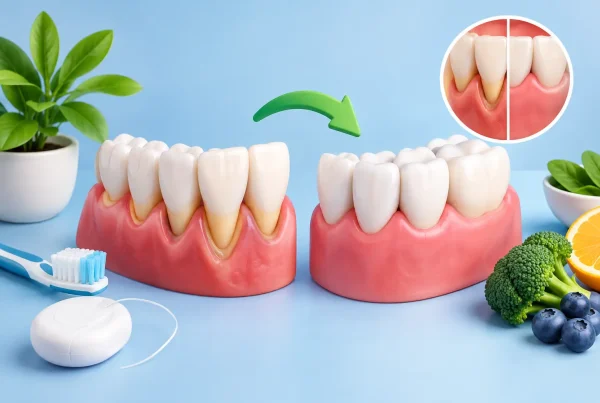
Good aftercare is mostly about protecting the clot, keeping the mouth clean and giving your body time to recover. Avoid smoking and vaping for as long as possible after extraction, as they can slow healing and significantly increase the risk of complications. If stopping feels difficult, speak honestly with your dentist so you can receive practical support.
Keep hydrated and eat nourishing soft foods, gradually returning to your usual meals as chewing becomes comfortable. Alcohol can interfere with healing and some medicines, so avoid it for the period recommended by your dental team. It is also wise to postpone intense gym sessions, running and heavy lifting for at least the first couple of days.
Do not probe the socket with your tongue, finger, toothbrush or any object. It can be tempting to check it, especially when the area feels unfamiliar, but leaving it alone gives the tissues the best chance to heal quietly.
When to call your dentist
Some soreness, swelling and minor oozing are expected. What matters is the overall direction of recovery. Contact your dentist if pain becomes severe or worsens after a few days, especially if it spreads towards the ear or jaw. This may be a sign of dry socket and is treatable with prompt dental care.
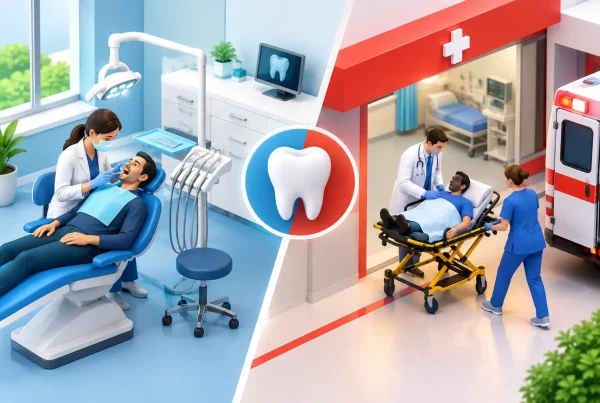
You should also seek advice for swelling that continues to increase after day three, persistent bleeding that does not settle with firm pressure on clean gauze, fever, pus, a bad taste or smell that persists, or numbness that does not improve as expected. Difficulty swallowing, breathing or opening your mouth significantly requires urgent assessment. If breathing is affected, seek emergency medical care immediately.
Recovery is part of the treatment plan
An extraction is sometimes the most comfortable and sensible next step for a tooth that cannot be predictably saved. It should also be the beginning of a plan for a healthier mouth, whether that means monitoring the space, considering a denture or bridge, or planning for an implant later on.
At Riverina Dental Albury, we explain aftercare in plain language and tailor treatment plans to your needs, including the timing of tooth replacement where appropriate. If something about your healing does not feel right, trust that instinct and call for advice. A quick conversation can provide reassurance or arrange the care needed to keep your recovery on track.