
If you are weighing up tooth replacement options, one of the first questions you will probably ask is how long do dental implants last. It is a fair question, especially when you want something that feels dependable, looks natural, and makes sense as a long-term investment in your health. The short answer is that dental implants can last for many years, and often decades, but their lifespan depends on the quality of the implant, the health of your gums and bone, and how well they are looked after.
Unlike dentures or bridges, a dental implant is designed to replace the root of a missing tooth as well as the visible part above the gumline. That makes it a strong and stable option for many adults who want to eat, speak, and smile with more confidence. Still, no dental treatment comes with a one-size-fits-all timeline, and it helps to understand what tends to last, what may need maintenance, and what puts implants at risk.
How long do dental implants last in real life?
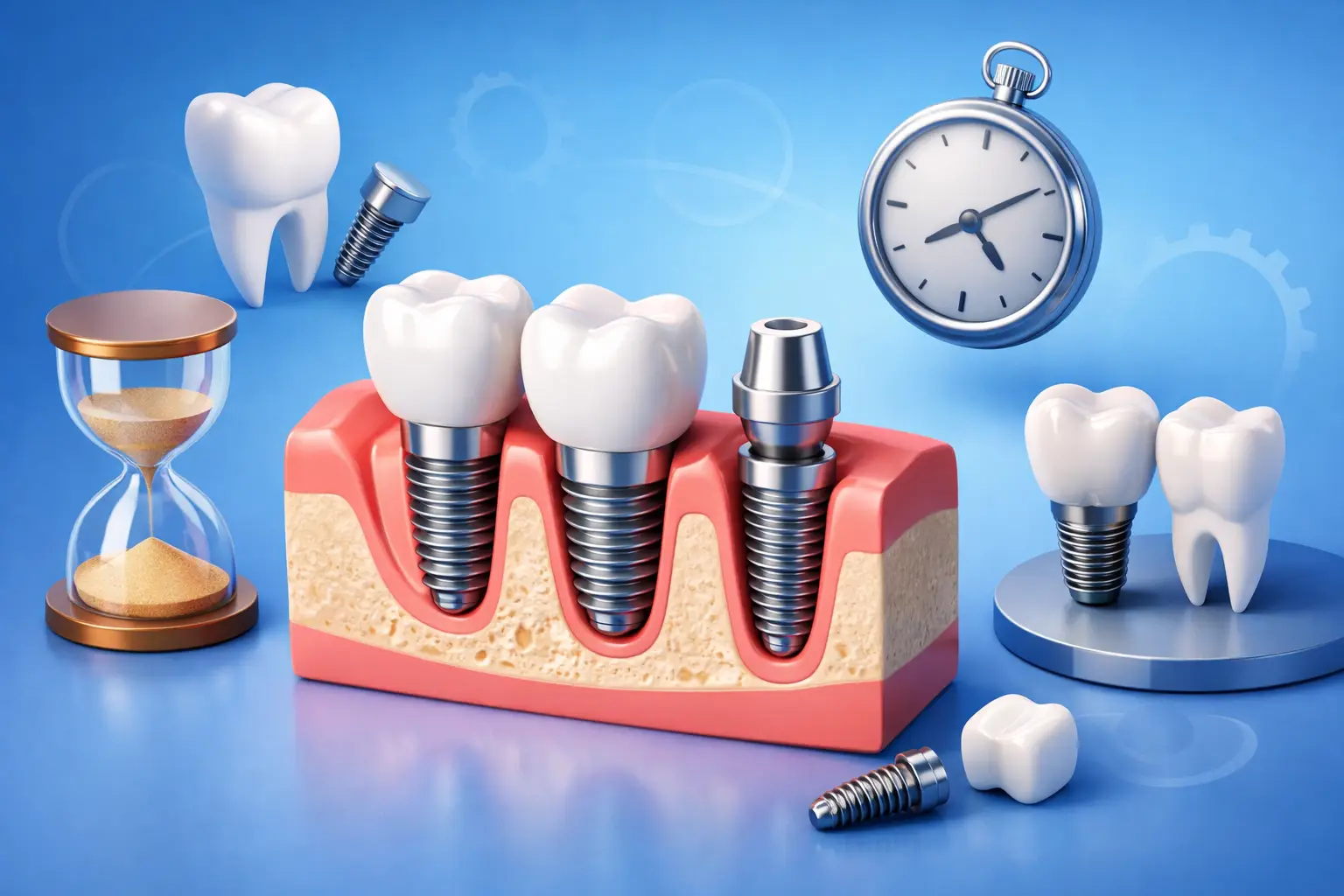
The implant post itself, which is the titanium fixture placed in the jawbone, is often the longest-lasting part of the treatment. In many patients, it can last 20 years or more and may even last a lifetime. Once it has properly integrated with the bone and remains healthy, it is designed to be a durable foundation.
The crown attached to the implant usually has a shorter lifespan than the implant post. This is not a sign that the treatment has failed. It is simply because the crown takes the daily wear from chewing, grinding, and general use. Many implant crowns last 10 to 15 years, and some last longer, but they may eventually need repair or replacement depending on the material used and the forces placed on them.
So when people ask how long do dental implants last, the most accurate answer is this: the implant itself can last decades, while the visible tooth on top may need maintenance or replacement over time.
What affects how long an implant lasts?
A well-placed implant in a healthy mouth has an excellent chance of lasting a long time, but several factors influence the outcome.
Gum health matters more than many people realise
Implants cannot get decay the way natural teeth can, but the gums and surrounding bone can still become infected or inflamed. If plaque builds up around the implant and is not removed properly, peri-implant disease can develop. This can weaken the bone support and shorten the life of the implant.
That is why regular dental maintenance is not optional with implants. Healthy gums are one of the biggest predictors of long-term success.
Bone support plays a major role
An implant needs enough strong bone to stay secure. If there has been bone loss before treatment, bone grafting may be recommended to improve support. Even after successful treatment, ongoing bone loss from gum disease, smoking, or untreated grinding can affect stability.
This is one reason treatment planning matters so much. A careful assessment at the beginning can help reduce problems later.
Smoking can reduce implant success
Smoking affects blood flow and healing, which can make it harder for the implant to integrate properly with the bone. It also increases the risk of infection and gum problems over time. That does not always mean a smoker cannot have implants, but it does mean the risks need to be discussed honestly.
For patients who want the best chance of a long-lasting result, cutting down or quitting smoking can make a real difference.
Teeth grinding can wear parts down
If you clench or grind your teeth, especially at night, your implant crown may be placed under extra pressure. In some cases, that pressure can also affect the screw or other components. A night splint may be recommended to protect both implants and natural teeth.
Grinding does not automatically rule out implants, but it may mean a little more planning and a little more maintenance.
General health and habits count
Conditions such as uncontrolled diabetes, poor oral hygiene, and skipped dental check-ups can all increase the risk of complications. On the other hand, patients who brush well, attend regular reviews, and deal with small issues early often get the best lifespan from their implant treatment.
How do implants compare with other tooth replacement options?
Dental implants are often chosen because they can offer greater longevity than some alternatives. A bridge may last many years, but it relies on neighbouring teeth for support and may need replacement sooner. Dentures can be effective and budget-friendly, but they often need relining, adjustment, or replacement as the mouth changes over time.
An implant can be more expensive upfront, but it can also provide more stability and preserve bone in a way other options do not. That said, the best choice depends on your oral health, goals, and budget. For some patients, another treatment may be the more practical fit.
This is where personalised advice matters. The right option is not always the most complex one. It is the one that suits your health, your priorities, and what will work for you in the long run.
What can make a dental implant fail early?
While implants have high success rates, early failure can happen. This usually occurs if the implant does not bond properly with the bone, if an infection develops, or if too much pressure is placed on the area during healing. In some cases, poor bone quality or certain medical factors can also contribute.
Late failure is different. It tends to happen after years of function and is more often linked to gum disease around the implant, ongoing smoking, heavy grinding, or poor maintenance.
The good news is that many risk factors can be managed. A thorough assessment, clear aftercare instructions, and regular follow-up visits all improve the chances of long-term success.
How to help your implant last as long as possible
Looking after an implant is not complicated, but it does require consistency. Daily brushing and cleaning between the teeth are essential. Depending on the implant position, your dentist may recommend specific brushes or flossing tools to keep the area clean without damaging the gumline.
Professional check-ups are just as important. These visits help monitor the implant, the crown, and the surrounding gums and bone. Small signs of inflammation or wear are much easier to manage when found early.
It also helps to be mindful of habits that put extra strain on the restoration. Chewing ice, opening packaging with your teeth, or ignoring signs of grinding can shorten the life of the crown and other components.
For many patients, the key is simple: treat the implant like a natural tooth that still needs proper care.
Is an implant permanent?
People often use the word permanent when talking about implants, and in some ways that is understandable. They are fixed in place, they do not come out like dentures, and they are built to be long-lasting. But permanent does not mean maintenance-free.
It is more accurate to think of an implant as a durable long-term restoration. The implant post may remain stable for decades, but the crown or connecting parts may eventually need attention. This is normal and should be factored into your expectations.
A good dentist will be upfront about that from the beginning. Long-lasting treatment is the goal, but it still needs monitoring, care, and sometimes future repair.
When should you get an implant checked?
If your implant feels loose, sore, difficult to clean, or different when you bite, it is worth having it assessed. Bleeding gums around an implant are also not something to ignore. The earlier a problem is identified, the better the chance of protecting the implant and avoiding more involved treatment.
Even if nothing feels wrong, routine reviews are still important. Implants can stay comfortable while early gum or bone changes develop quietly. Regular monitoring helps keep everything on track.
At Riverina Dental Albury, that long-term view is a big part of treatment planning. For patients in Albury-Wodonga, it often brings peace of mind to know they have ongoing support, not just a procedure and a handshake at the end.
If you are considering implants, the most helpful next step is not chasing a perfect number of years. It is finding out whether your mouth is a good candidate, what your risks look like, and what kind of maintenance will help your result go the distance.