
If you have been told a dental implant may be the best way to replace a missing tooth, it is normal to feel a mix of relief and nerves. Knowing how to prepare for a dental implant can make the whole process feel far more manageable, especially when you understand what your dentist is checking for and what you can do at home to support a good result.
A dental implant is not just about filling a gap. It is a long-term restorative treatment that needs careful planning, healthy gums, and enough bone support. Good preparation helps reduce surprises, supports healing, and gives you a clearer idea of timing, costs, and what your day-to-day recovery may look like.
How to prepare for a dental implant starts with the right assessment
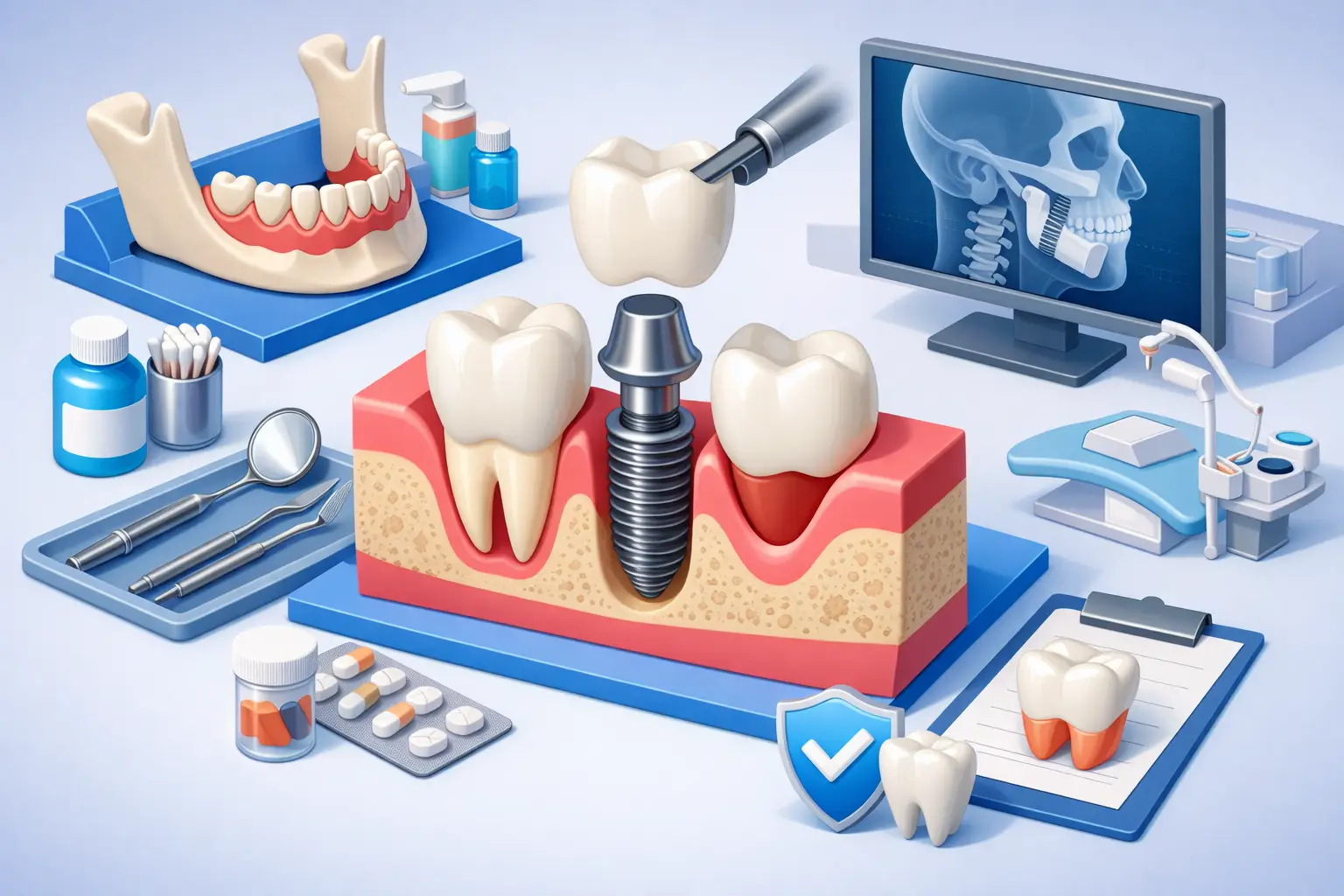
The first step is a thorough dental assessment. Your dentist will look at the missing tooth area, the health of your gums, the way your bite comes together, and the condition of nearby teeth. In many cases, imaging is also needed to check the quantity and quality of bone.
This planning stage matters because not every implant case is exactly the same. Some patients are ready to proceed quite quickly, while others may need treatment first for gum disease, tooth decay, or an infection. If the tooth was lost some time ago, there may also be bone shrinkage in the area, which can affect the treatment plan.
A good consultation should leave you with a realistic picture of the process. That includes how many appointments may be involved, whether any preparatory work is needed, and how long healing is likely to take before the final crown is fitted.
Your general and oral health both matter
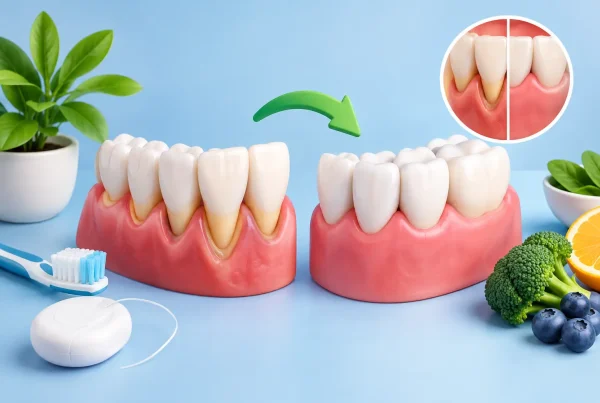
One of the most practical parts of preparing for implant treatment is getting your mouth into the best condition possible. Healthy gums are especially important because implants need stable tissue support. If there is active gum disease, it usually needs to be treated before implant placement.
Your general health matters too. Conditions such as diabetes, a history of slow healing, or medications that affect bone can influence how treatment is planned. This does not always mean you cannot have an implant. It simply means your dentist needs the full picture so your care is safe and predictable.
Smoking is another important factor. People who smoke can still be assessed for implant treatment, but smoking increases the risk of healing problems and implant failure. If you smoke, your dentist may ask you to stop or cut down before and after the procedure. It can feel like a frustrating conversation, but it is about giving the implant the best chance of lasting.
If extra treatment is needed, do it first
Many people assume implant placement starts straight away. In reality, some of the best preparation happens before the implant itself. That might include a professional clean, treatment for inflamed gums, removing a damaged tooth, or managing an infection.
In some cases, bone grafting is recommended. This sounds more daunting than it often is, but it does add time to the overall process because the area needs to heal before the implant can be placed or restored. Whether that step is necessary depends on how much bone remains and where in the mouth the implant is going.
This is one of those areas where it really does depend on the individual. Front teeth often need careful planning for appearance as well as function, while back teeth need to handle stronger biting forces. The best treatment plan is the one that suits your mouth, not a one-size-fits-all timeline.
Understand the costs before you begin
A dental implant is an investment in your long-term oral health, so it is worth having a clear conversation about fees before treatment starts. Ask what is included in the quoted cost and whether there may be separate fees for imaging, extractions, grafting, or the final crown.
For many patients, the most reassuring approach is staged treatment planning. That means understanding which part is done first, what gets paid at each stage, and whether there are flexible finance options available. Clear information helps you make decisions without feeling rushed.
If budget is a concern, say so early. A good dental team will talk you through your options honestly. Sometimes an implant is the ideal choice, but there may also be other restorative solutions worth discussing depending on your priorities, health, and finances.
How to prepare for a dental implant in the weeks before surgery
As your treatment date approaches, preparation becomes more practical. If your dentist has given you instructions about medications, fasting, or arranging transport, follow them closely. Not every implant procedure requires the same level of planning, so it is best to rely on the advice given for your specific case.
It also helps to plan for a quieter day after the procedure. Even when implant placement is straightforward, most people appreciate having time to rest at home rather than returning straight to a full schedule. If you have work, caring responsibilities, or travel planned, think ahead.
At home, stock up on a few soft foods for the first day or two. Yoghurt, soup, scrambled eggs, smoothies, and mashed vegetables are simple options. You may not need them for long, but it is nice not to be standing in the kitchen wondering what to eat once the local anaesthetic wears off.
Good brushing and oral hygiene in the lead-up to surgery are also important. A clean mouth supports healing. Your dentist may recommend a specific mouth rinse or extra cleaning instructions depending on your case.
What to expect on the day
Most patients are surprised by how manageable implant placement feels when they know what is coming. The area is numbed thoroughly, and the procedure is usually more controlled and comfortable than people expect. If you are an anxious patient, mention that beforehand. There may be ways to make the appointment feel easier, from extra explanation to a slower, gentler approach.
Wear comfortable clothes and keep the rest of the day light if you can. If you have been advised not to drive, arrange a family member or friend to help. Before you leave the clinic, make sure you understand your aftercare instructions, when to take pain relief if needed, and who to contact if you have concerns once you are home.
Recovery is part of preparation too
One of the smartest ways to prepare is to set realistic expectations for healing. An implant does not become strong because the procedure is finished. It becomes strong because the bone heals around it over time. That healing period is a crucial part of treatment.
Mild swelling, tenderness, or minor bleeding can be normal in the first day or two, depending on the complexity of the procedure. Following your aftercare instructions closely matters. That usually means avoiding smoking, being careful with the area, sticking to softer foods for a short time, and keeping the mouth clean without disturbing the surgical site.
Try not to compare your recovery with someone else’s. A single implant in a healthy site may heal quite simply, while a more complex case involving grafting or multiple teeth may take longer. The goal is steady healing, not rushing the process.
Questions worth asking before you commit
If you are still deciding, ask the questions that matter to you most. How long will the full process take? What happens if a graft is needed? What will the tooth look like during healing? How should you clean the implant long term? What are the likely maintenance costs down the track?
These are not awkward questions. They are sensible ones. Implant treatment should feel well explained, not confusing. A patient-first clinic will want you to feel informed, comfortable, and clear on what comes next.
For local patients considering treatment, Riverina Dental Albury takes that approach seriously by focusing on personalised planning, gentle care, and practical advice that fits real family budgets and real schedules.
Preparing well does not mean you need to know every technical detail. It means going in with a healthy mouth, a clear plan, and the confidence to ask for support when you need it. That small bit of preparation can make the whole experience feel much lighter, and often leads to a smoother result in the long run.