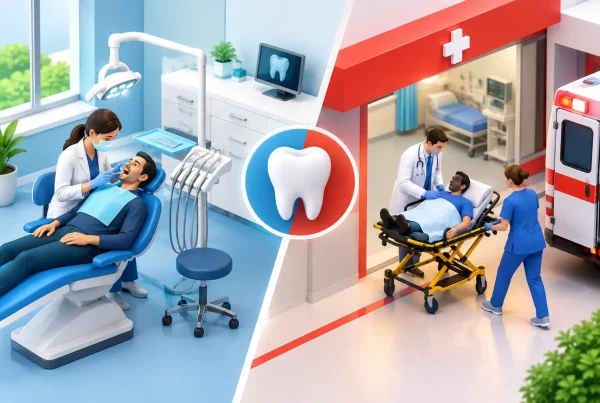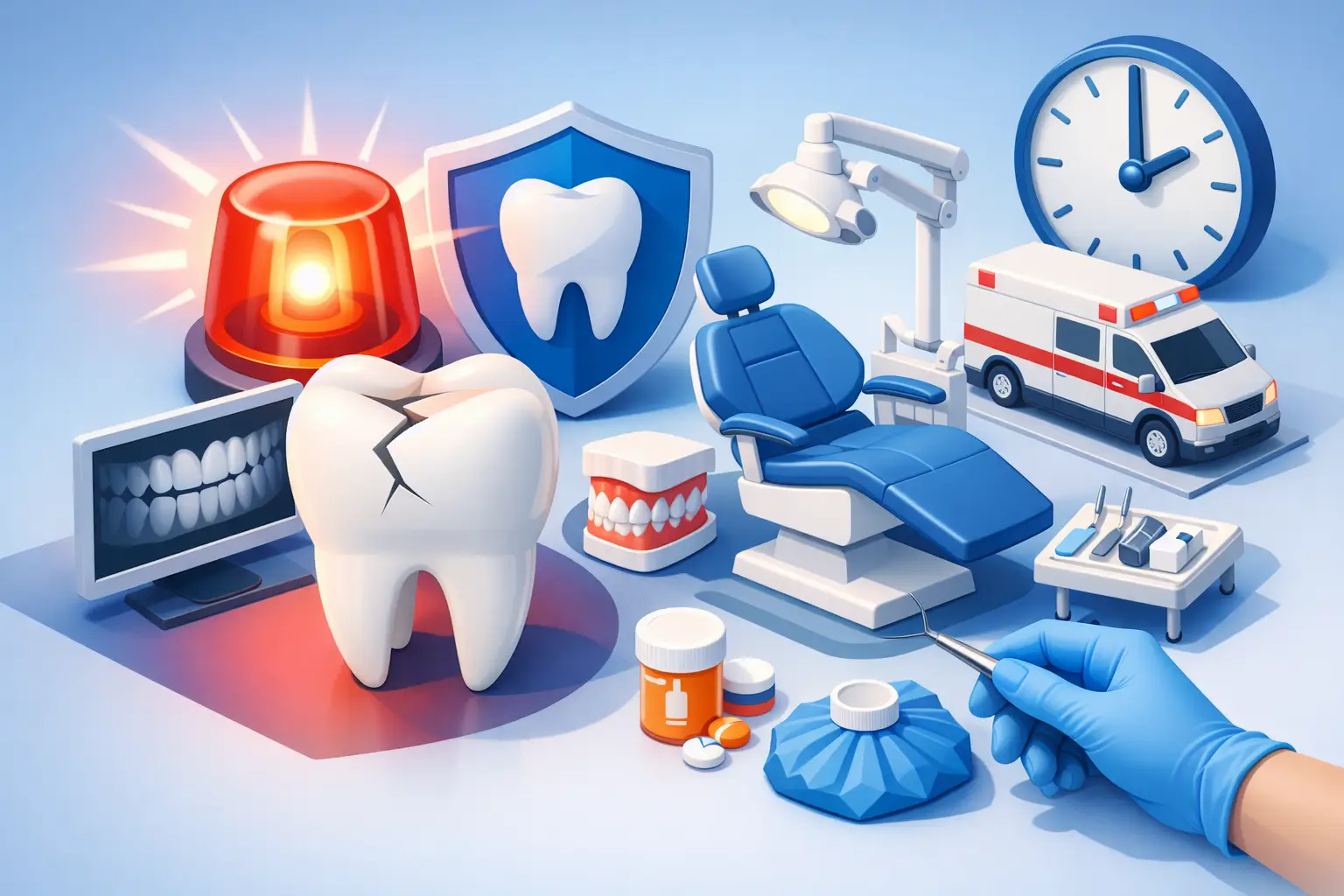

A cracked tooth at breakfast, a swelling that seems to appear out of nowhere, or pain that keeps building through the day can turn an ordinary afternoon into something stressful very quickly. When you need a same day dental emergency appointment, what matters most is getting clear advice, prompt care, and a plan that relieves pain while protecting the tooth and the rest of your oral health.
Dental emergencies are not always dramatic, but they should not be ignored. Some problems are clearly urgent, like a knocked-out tooth or facial swelling. Others can seem manageable at first, such as a lost filling or a broken tooth, then worsen over a matter of hours. The challenge for most people is knowing what can wait and what really should be seen today.
What counts as a same day dental emergency?
A same day dental emergency usually means a dental problem that is causing significant pain, bleeding, swelling, trauma, or a risk of infection. It can also include damage that is likely to get worse quickly if left untreated.
Common examples include severe toothache, a broken or cracked tooth, swelling in the gums or jaw, a knocked-out tooth, bleeding that does not settle, a dental abscess, or a crown or filling that has come away and left the tooth painful or exposed. If you have recently had dental treatment and something feels wrong afterwards, that can also need urgent review.
There are also situations that feel urgent but may not require immediate treatment. Mild sensitivity, a chipped tooth with no pain, or a loose retainer wire that is irritating but not causing injury may sometimes wait for the next available appointment. That said, it depends on your symptoms. If you are unsure, calling for advice is usually the safest step.
Signs you should call straight away
Pain is one of the biggest reasons people seek emergency dental care, but pain alone does not tell the whole story. A dull ache is different from pain that wakes you at night, makes it hard to eat, or is getting stronger by the hour.
Swelling is another warning sign that should be taken seriously. Swelling around a tooth or gum can point to infection, and infections in the mouth can spread. If you have swelling in the face, difficulty opening your mouth, fever, or trouble swallowing, it becomes more urgent.
Bleeding after an injury, a tooth that has been knocked loose, or a tooth that has come out completely should also be treated as time-sensitive. The earlier you are assessed, the better the chance of saving the tooth or limiting further damage.
What to do before your appointment
The right first aid can make a real difference while you are waiting to be seen for a same day dental emergency. The aim is to control discomfort, reduce the risk of further injury, and give the dentist the best possible chance to treat the problem.
If you have a knocked-out adult tooth, hold it by the crown rather than the root. If it is dirty, rinse it gently in milk or saline if available. If you can place it back in the socket safely, do so without forcing it. If not, keep it in milk or inside your cheek and call immediately.
For swelling or toothache, rinse gently with warm salty water and use a cold compress on the outside of the face. Pain relief may help, provided it is safe for you to take. Avoid placing aspirin directly on the gum, as this can irritate the tissue.
If a tooth is cracked or broken, try to keep the area clean and avoid chewing on that side. If a filling or crown has come off, keep it if you can and bring it with you. Even if it cannot be re-used, it may help your dentist understand what has happened.
Why same day treatment matters
Fast treatment is not only about comfort, although that matters a great deal. The longer some dental problems are left, the more complex and costly they can become.
A small crack can deepen. A cavity that causes mild discomfort can progress to infection. A dental abscess can affect surrounding tissue and overall health. With trauma, timing often affects the result. Teeth that are knocked out or displaced have the best chance of being saved when they are managed quickly.
There is also the practical side. It is easier to plan treatment when a problem is addressed early. In many cases, a prompt appointment can mean a simpler filling or repair rather than root canal treatment or extraction later on. Sometimes the first visit is focused on stabilising the issue and easing pain, with follow-up care arranged once the immediate problem is under control.
What happens at an emergency dental visit
Many people worry that an emergency appointment will feel rushed or overwhelming. In reality, good emergency care should be calm, clear, and focused on what you need most in that moment.
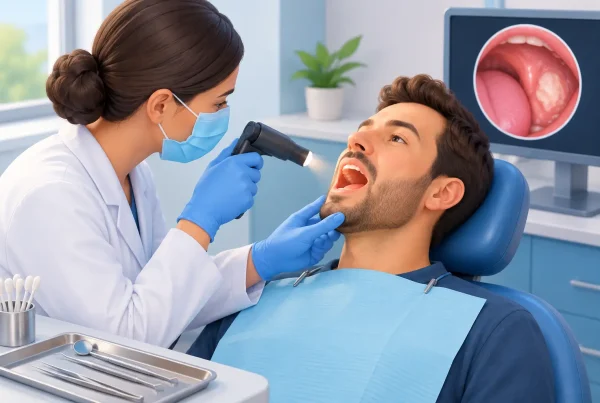
Your dentist will usually begin by asking what happened, when the pain or damage started, and whether symptoms have changed. An examination and, where needed, dental X-rays help identify the cause. From there, the immediate goal is to reduce pain, stop active problems like bleeding or infection, and protect the tooth or surrounding structures.
Treatment may involve smoothing a sharp broken edge, placing a temporary or permanent filling, re-cementing a crown, draining an infection, prescribing medication where appropriate, or beginning treatment such as root canal therapy. In some cases, extraction is the most suitable option, but that decision should be explained clearly, along with any alternatives.
At Riverina Dental Albury, the focus is not just on getting you out of pain today. It is also on helping you understand what comes next, what the likely costs are, and how your treatment can be planned in a way that suits your health and budget.
For anxious patients, emergency care needs a gentle approach
Dental emergencies are stressful enough without feeling judged for leaving a problem too long or embarrassed about the condition of your teeth. Many adults delay treatment because they are busy, worried about cost, or simply nervous about dental visits.
A patient-first emergency appointment should meet that reality with empathy. Clear explanations, gentle techniques, and realistic options matter. So does taking the time to explain whether treatment today is temporary, definitive, or part of a larger plan.
If you are nervous, say so when you call. It helps the team prepare and support you properly. For some patients, the most important part of emergency care is not only the clinical treatment but also feeling listened to and steadied when things feel out of control.
Cost, timing, and why the answer is sometimes “it depends”
One of the most common questions is whether a dental emergency can be fixed in one visit. Sometimes yes, sometimes no. A lost filling may be sorted quickly. A severe infection may need immediate relief first and full treatment once the area settles. A broken tooth may be restored on the day, or it may need more than one step depending on how deep the fracture goes.
The cost can vary for the same reason. The final amount depends on the diagnosis, whether X-rays are needed, and what treatment is required. A trustworthy clinic will explain your options in plain language and talk through likely fees before proceeding where possible. If there is more than one suitable path, you should understand the trade-offs between short-term relief and long-term outcomes.
This is especially important for households trying to balance urgent care with everyday expenses. Emergency treatment should not leave you feeling pressured or confused. Good planning means addressing the immediate issue while keeping the broader picture in mind.
When dental pain is not something to wait out
People often hope a painful tooth will settle on its own. Occasionally pain eases, but that does not always mean the problem has gone away. In some cases, it means the nerve inside the tooth has become more damaged, while infection is still present.
That is why worsening pain, swelling, sensitivity to pressure, or a bad taste in the mouth should not be brushed off. The sooner you seek advice, the more options you are likely to have.
If you are dealing with sudden dental pain or trauma in Albury-Wodonga, the best next step is usually simple: call, explain what is happening, and ask to be seen as soon as possible. A same day dental emergency appointment can bring relief, but just as importantly, it can stop a bad day from turning into a much bigger problem. The sooner you act, the sooner you can get back to eating, speaking, sleeping, and feeling like yourself again.