
A toothache has a way of taking over everything. You might be trying to eat dinner, get through work, or settle in for the night, and suddenly one tooth starts throbbing hard enough to make concentration impossible. If you are searching for how to relieve sudden toothache, the first priority is to calm the pain safely, but the next step matters just as much – finding out why it started.
Pain in a tooth rarely appears for no reason. It may come from decay, a cracked tooth, a lost filling, inflamed gums, grinding, an abscess, or food trapped in a spot that is already irritated. Sometimes the pain is sharp and obvious. Sometimes it feels like pressure, heat sensitivity, or a dull ache in the jaw. The cause affects what will help, what will not, and how urgently you should be seen.
How to relieve sudden toothache at home
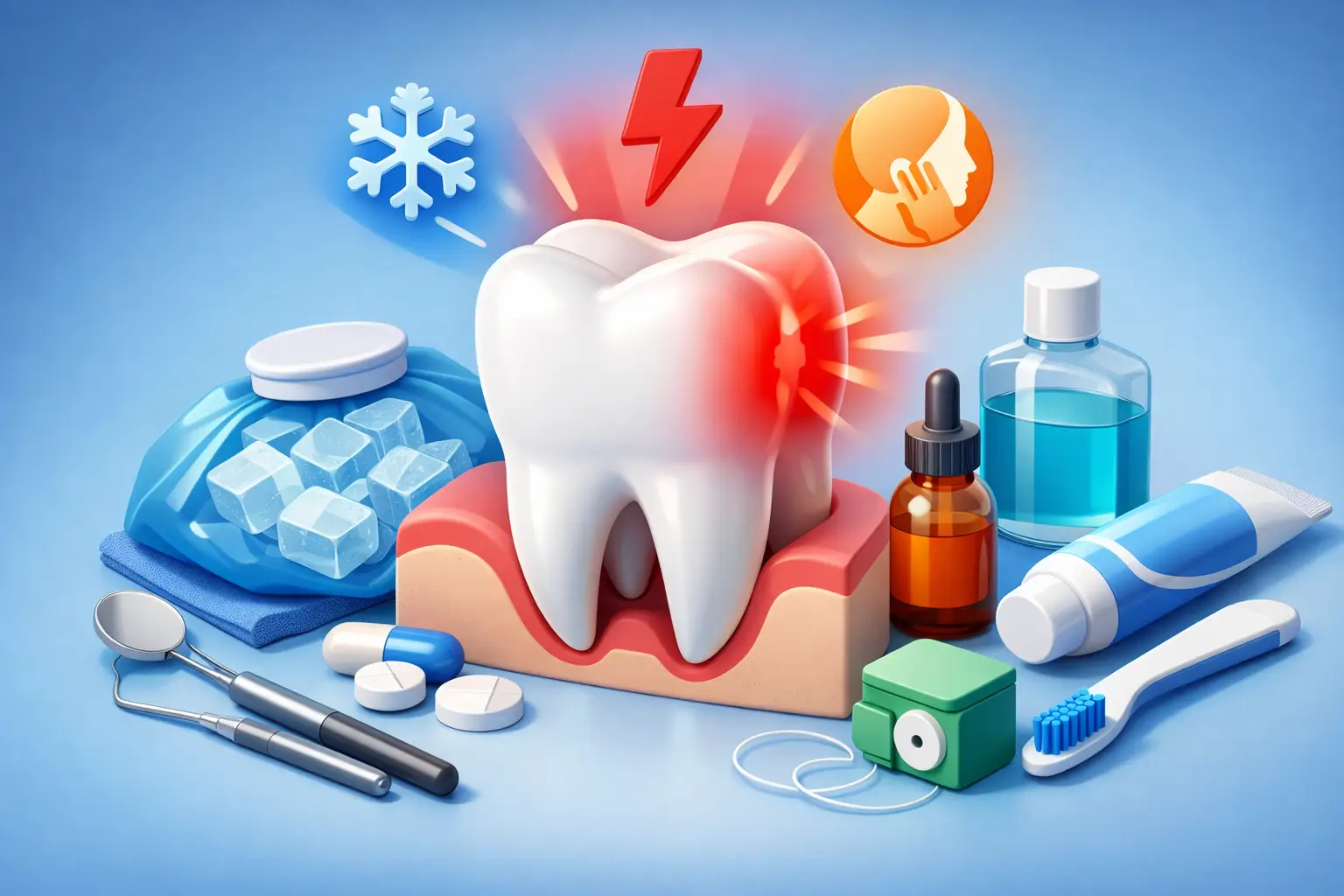
If the pain has just started, there are a few sensible things you can do at home to reduce discomfort while you arrange dental care. Start by rinsing your mouth gently with warm salty water. This can help clear debris, soothe irritated tissues, and reduce some inflammation around the tooth or gum.
After that, try flossing carefully around the sore tooth. It sounds simple, but a small piece of food caught between teeth can cause surprisingly strong pain, especially if the gum is already inflamed. Be gentle. If flossing makes the pain much worse or the area starts bleeding heavily, stop and leave the rest to your dentist.
A cold compress on the outside of the cheek can also help, particularly if there is swelling or the tooth feels like it is pulsing. Hold it there for around 15 minutes at a time, then give the area a break. Cold helps more than heat for most sudden dental pain, because heat can sometimes make throbbing feel worse.
Over-the-counter pain relief may also take the edge off. Take it exactly as directed on the packet and only if it is safe for you based on your age, medical history, allergies, pregnancy status, and any other medicines you use. If you are unsure, ask a pharmacist. Pain relief can be useful for temporary comfort, but it does not treat the underlying dental problem.
Keep your head slightly elevated if the pain is worse when lying down. For some people, that extra pressure in the area can intensify the throbbing. Sleeping propped up with an extra pillow may help you get through the night more comfortably.
What not to do when a tooth suddenly hurts
When people are in pain, it is natural to try whatever sounds like a quick fix. Unfortunately, some common home remedies can irritate the tooth or surrounding gum even more.
Do not place aspirin directly on the gum or tooth. This does not numb the area the way people hope, and it can burn the soft tissue. The same goes for strong spirits or undiluted essential oils. If something stings, burns, or tastes harsh, it is unlikely to be helping the actual problem.
Try not to chew on the painful side, and avoid very hot, very cold, sugary, or hard foods until you know what is going on. If the tooth is cracked or the nerve is inflamed, those triggers can set off a stronger pain response. Even a seemingly harmless cup of tea can become a problem if temperature sensitivity is involved.
It is also best not to ignore pain that settles and then returns. Toothache can ease off temporarily if pressure changes in the area, but that does not mean the infection or damage has resolved. Intermittent pain still needs attention.
Why sudden toothache happens
Understanding the likely cause can help you judge how quickly to seek care. Tooth decay is one of the most common reasons. A cavity may not cause any symptoms at first, but once it reaches deeper layers of the tooth, the pain can appear very suddenly.
Cracks are another frequent cause, especially if you have bitten down on something hard or you clench and grind your teeth. A cracked tooth may hurt when you bite, then feel better when pressure is released. Lost fillings and worn dental work can also expose sensitive areas and trigger pain out of nowhere.
Sometimes the source is the gum rather than the tooth itself. Gum inflammation, infection around a wisdom tooth, or food packed under the gumline can create a sore, swollen, tender feeling that patients often describe as toothache.
There are also cases where pain seems like it is coming from a tooth but is actually linked to sinus pressure, jaw joint strain, or grinding during sleep. That is why a proper dental examination matters. Tooth pain is not always straightforward, and guessing can delay the right treatment.
Signs you should call a dentist urgently
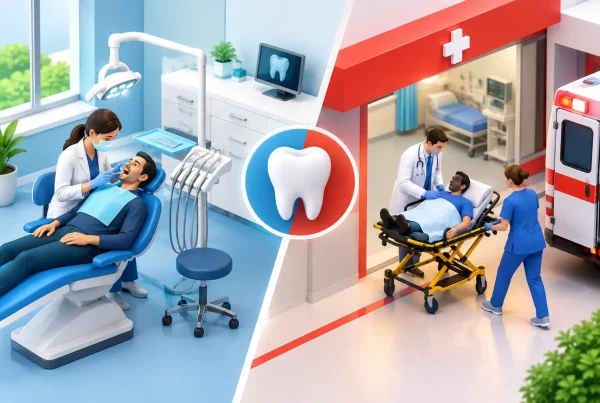
Some toothaches can wait a short time for a standard appointment. Others should be treated as urgent. If you have swelling in the face or gum, fever, pus, a bad taste in the mouth, trouble opening your mouth, pain that is severe or worsening, or a toothache after dental trauma, do not leave it to chance.
The same applies if the pain is keeping you awake, pain relief is barely helping, or you notice a broken tooth, lost crown, or bleeding that does not settle. These signs can point to infection, nerve involvement, or structural damage that will not improve on its own.
If you are in the Albury-Wodonga region and need prompt help, an emergency dental appointment is the safest next step. Clinics such as Riverina Dental Albury understand that dental pain is not just inconvenient – it can affect eating, sleeping, work, and your overall sense of wellbeing.
How a dentist relieves sudden toothache
The treatment depends on the cause. If food is trapped or the gum is inflamed, a professional clean around the area may bring relief. If decay has reached the inside of the tooth, you may need a filling, root canal treatment, or in some cases extraction. A cracked tooth might be restored with a filling or crown, though deeper cracks can be more complex.
If an abscess is present, the focus is on draining infection where appropriate and treating the tooth or gum source properly. Antibiotics are sometimes part of the plan, but not always. They are not a standalone fix for every toothache, which is why assessment is so important.
For anxious patients, gentle communication and a clear explanation of options can make a big difference. When you are already in pain, the last thing you need is uncertainty. Knowing what is causing the problem and what can be done today versus what may be planned next often brings a sense of relief before treatment even begins.
How to relieve sudden toothache and prevent the next one
Once the immediate pain settles, it is worth asking why it happened now. Sometimes a toothache is the first obvious sign of a problem that has been developing quietly for months. Early decay, worn fillings, gum disease, and grinding do not always cause symptoms until the tooth becomes inflamed.
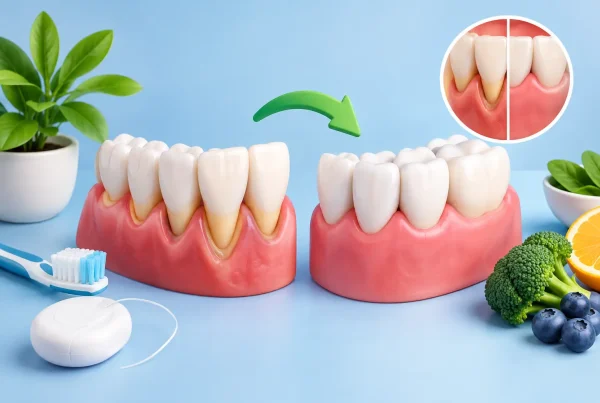
Regular check-ups help catch these issues before they turn into emergencies. Professional cleans, fluoride treatment where appropriate, and timely repairs to fillings or broken teeth can prevent a minor problem becoming a painful one. If you grind your teeth, a custom night splint may protect them from further stress.
At home, the basics still matter. Brush twice daily with fluoride toothpaste, clean between your teeth, and try not to put off treatment once a dentist has identified a concern. Delays often lead to more pain, more complex treatment, and higher costs later on.
If you are ever unsure whether a toothache is serious, trust the fact that pain is your body asking for attention. A warm saltwater rinse, a cold compress, and sensible pain relief may help you get through the next few hours, but lasting relief starts with getting the tooth properly checked.