
A tooth that has already had a root canal should not keep getting your attention. If it starts throbbing again, feels tender when you bite, or you notice swelling nearby, those can be root canal infection symptoms that deserve prompt care. While some mild sensitivity can happen for a short time after treatment, ongoing pain or a sudden flare-up is a different story.
For many people, the tricky part is knowing what is normal healing and what suggests the tooth needs to be checked. That matters because dental infections rarely settle on their own. The sooner the cause is identified, the more straightforward and comfortable treatment usually is.
What root canal infection symptoms can feel like
A root canal is designed to remove infected tissue from inside the tooth, clean the canals, and seal the space. When infection returns, or when some infection remains, the signs can be obvious or surprisingly subtle.
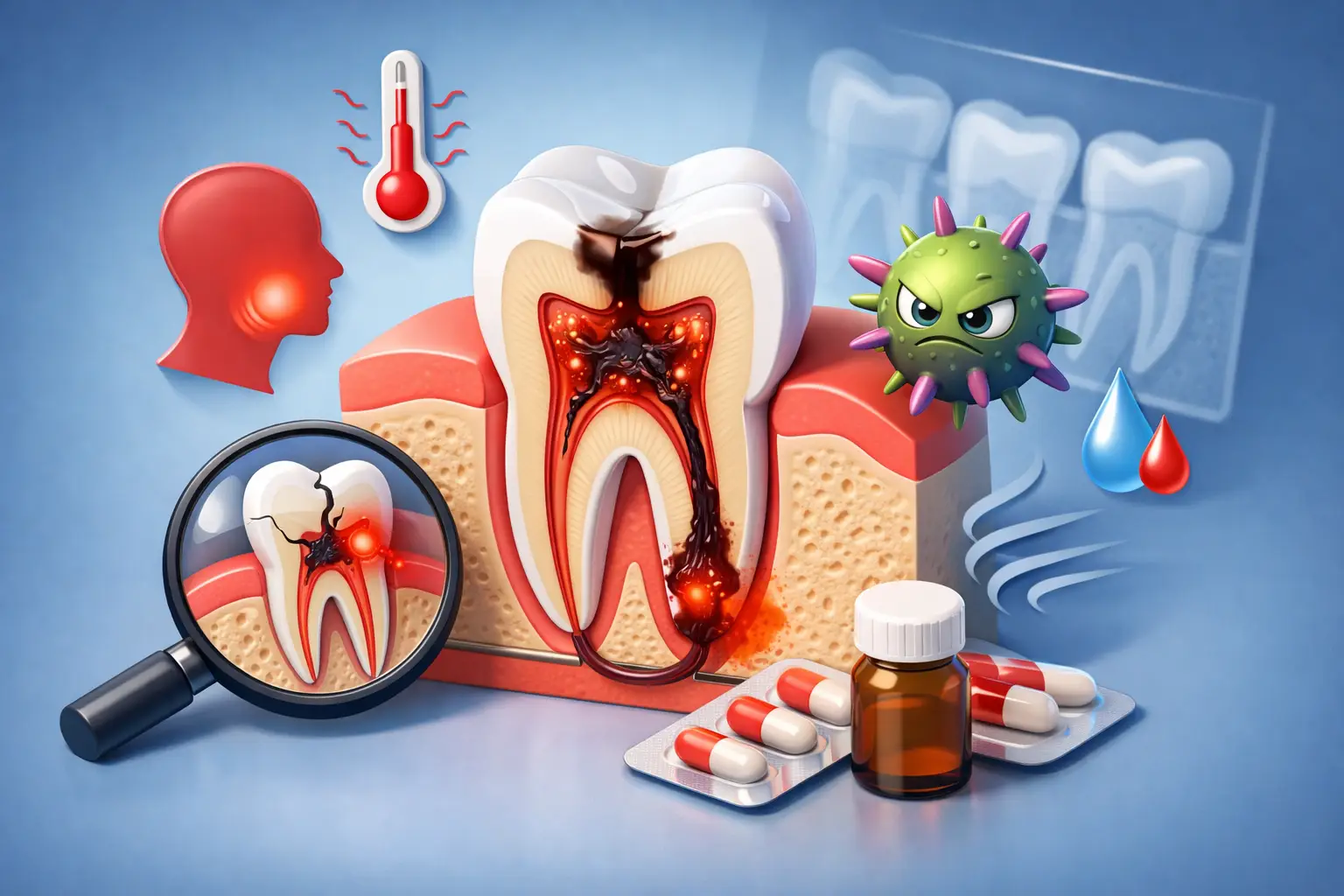
Pain is often the first thing people notice. It may be a constant ache, a sharp pain when chewing, or a pulsing discomfort that seems to come and go. Some patients describe the tooth as feeling “high” or different when they bite down. Others notice that pain travels into the jaw, ear, or surrounding teeth, which can make it hard to work out exactly where the problem is.
Swelling is another common sign. This may show up in the gum near the treated tooth, in the cheek, or even lower in the jaw. If the area feels puffy, warm, or sore to touch, it can point to active inflammation or infection.
You may also notice tenderness in the gum, a small pimple-like bump near the tooth, or an unpleasant taste in your mouth. That bump, often called a gum boil, can release fluid or pus. Even if pressure eases after that happens, the infection still needs treatment.
Bad breath that does not improve with brushing and flossing can sometimes be linked to infection as well. So can a feeling of pressure around the tooth or a sense that the area is not quite right, even before stronger pain begins.
Common root canal infection symptoms after treatment
The timing of symptoms matters. In the first few days after a root canal, mild soreness can be expected, especially when chewing. The tissues around the tooth may be a little irritated from the procedure itself. That usually improves steadily.
If symptoms are getting worse instead of better, that is when we become more concerned. Ongoing pain after several days, swelling that appears or increases, and discomfort that wakes you at night are not signs to ignore.
Sometimes the issue appears months or even years later. A tooth that seemed settled can develop pain again because bacteria have found a way back into the root canal system, or because the original infection never fully resolved. In those cases, patients are often surprised because they thought the problem had been dealt with for good.
It also depends on the tooth and the condition of the final restoration. A tooth with a cracked filling, leaking crown, or new decay can allow bacteria to re-enter. Back teeth can be especially complex because they often have narrow or curved canals that are harder to clean completely.
Why an infection can return
There is not always a single simple cause. Root canal treatment is very successful, but teeth are small structures with a lot of variation, and some situations are more complicated than others.
In some cases, a canal may have been difficult to locate or fully clean because of the shape of the roots. In others, bacteria can return if the tooth was not permanently restored in time, if the restoration has broken down, or if the tooth has cracked. New trauma to the tooth can also create a pathway for infection.
This is why proper follow-up matters. A root canal is not just about the treatment inside the tooth. The seal on top of the tooth is just as important in protecting it long term.
Signs you should call a dentist urgently
Some symptoms can wait a day or two for the next available appointment. Others need faster attention.
If you have facial swelling, severe pain, fever, trouble opening your mouth, or difficulty swallowing, contact a dentist urgently. These signs can suggest the infection is spreading and should not be left to chance.
The same goes for swelling that comes on quickly, pus draining from the gum, or pain that is not controlled by simple pain relief. Even if symptoms seem to settle for a while, a dental infection can flare again without warning.
For anxious patients, it is common to hope the pain will pass. We understand that. But getting checked early often means more options and less discomfort than waiting until the problem becomes an emergency.
How a dentist confirms the cause
Not every painful tooth with a previous root canal is infected. Sometimes the issue is a cracked tooth, inflamed tissues around the root, gum disease, or problems with the bite. That is why an assessment is important rather than guessing based on symptoms alone.
Your dentist will usually ask when the pain started, whether it is constant or triggered by pressure, and whether there has been swelling, drainage, or sensitivity to hot and cold. They will examine the tooth, surrounding gum, and bite, and may take dental X-rays to look at the roots and bone around the tooth.
An X-ray can show signs of infection near the tip of the root, but the full picture comes from combining that with your symptoms and examination findings. Occasionally, additional imaging is helpful if the tooth anatomy is complex or a crack is suspected.
What treatment might involve
The right treatment depends on what is causing the problem and whether the tooth can be saved predictably.
If the tooth is suitable, root canal retreatment may be recommended. This involves reopening the tooth, cleaning the canals again, addressing any missed anatomy or contamination, and resealing it. In many cases, this can save the tooth and restore comfort.
Some teeth need a different approach, such as minor surgical treatment around the root tip. If the tooth is badly cracked, structurally weak, or not restorable, extraction may be the more sensible option. That can feel disappointing, but sometimes it is the most reliable way to remove infection and protect your wider oral health.
Antibiotics are not always the main answer. They may be useful if there is spreading infection, facial swelling, or certain medical considerations, but they do not fix the source inside the tooth on their own. The infection usually needs dental treatment to resolve properly.
A good dentist will talk you through the options clearly, including likely costs, expected outcomes, and whether immediate treatment or short-term pain relief is the best next step.
What you can do while waiting for your appointment
If you suspect root canal infection symptoms, keep the area as clean as you can with gentle brushing and warm saltwater rinses. Avoid chewing on that side if biting makes the pain worse. Over-the-counter pain relief may help, provided it is suitable for you and any health conditions you have.
What you should not do is place aspirin on the gum, ignore visible swelling, or rely on antibiotics left over from a previous illness. Home remedies may mask symptoms for a short time, but they will not treat the infected tooth.
If the pain is escalating or your face is swelling, do not wait it out over a weekend. Emergency dental care is there for a reason.
When early action makes the biggest difference
Most people do not need to know the fine details of root canal anatomy. They just need to know when something feels off and when to act. Persistent pain, swelling, a gum boil, tenderness when chewing, and a bad taste in the mouth are all worth taking seriously, especially in a tooth that has already had treatment.
At Riverina Dental Albury, we see plenty of patients who are unsure whether their symptoms are urgent or simply annoying. If you are in that position, it is always better to ask. A timely check can often prevent a smaller problem from turning into a much bigger one.
If a tooth that should be settled is demanding your attention again, trust that instinct and have it looked at sooner rather than later.