
A toothache rarely waits for a convenient time. It can start late at night, flare up over the weekend, or hit halfway through work when you still have hours before a dentist can see you. If you are searching for how to stop toothache before appointment, the first thing to know is this: you may be able to calm the pain for a short time, but the cause still needs proper dental care.
Some toothaches come from a cavity, a cracked tooth, an exposed nerve, gum infection, wisdom tooth trouble, or food trapped between teeth. Others feel like tooth pain but are actually linked to sinus pressure or jaw clenching. That is why home care should focus on easing symptoms safely, not trying to fix the problem yourself.
How to stop toothache before appointment safely
Start with a gentle rinse using warm salt water. This can help reduce irritation, wash away debris, and soothe inflamed tissue around the tooth. Mix a teaspoon of salt into a glass of warm water, swish it around your mouth for several seconds, and spit it out. You can repeat this a few times across the day, especially after eating.
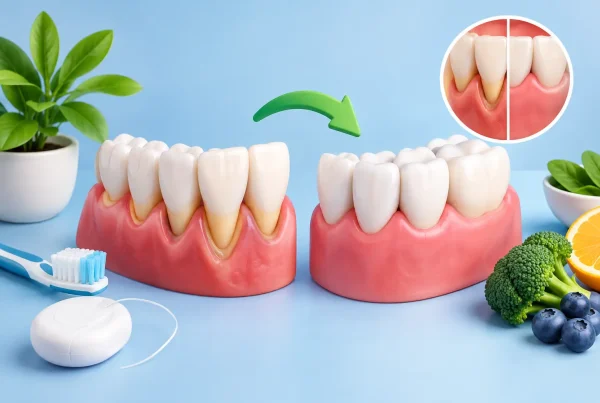
If something is lodged between the teeth, floss carefully. A surprisingly sharp toothache can come from food caught near the gumline, particularly around a filling, crown, or tightly packed teeth. Be gentle. You do not want to snap the floss hard into the gums or force anything under the tooth.
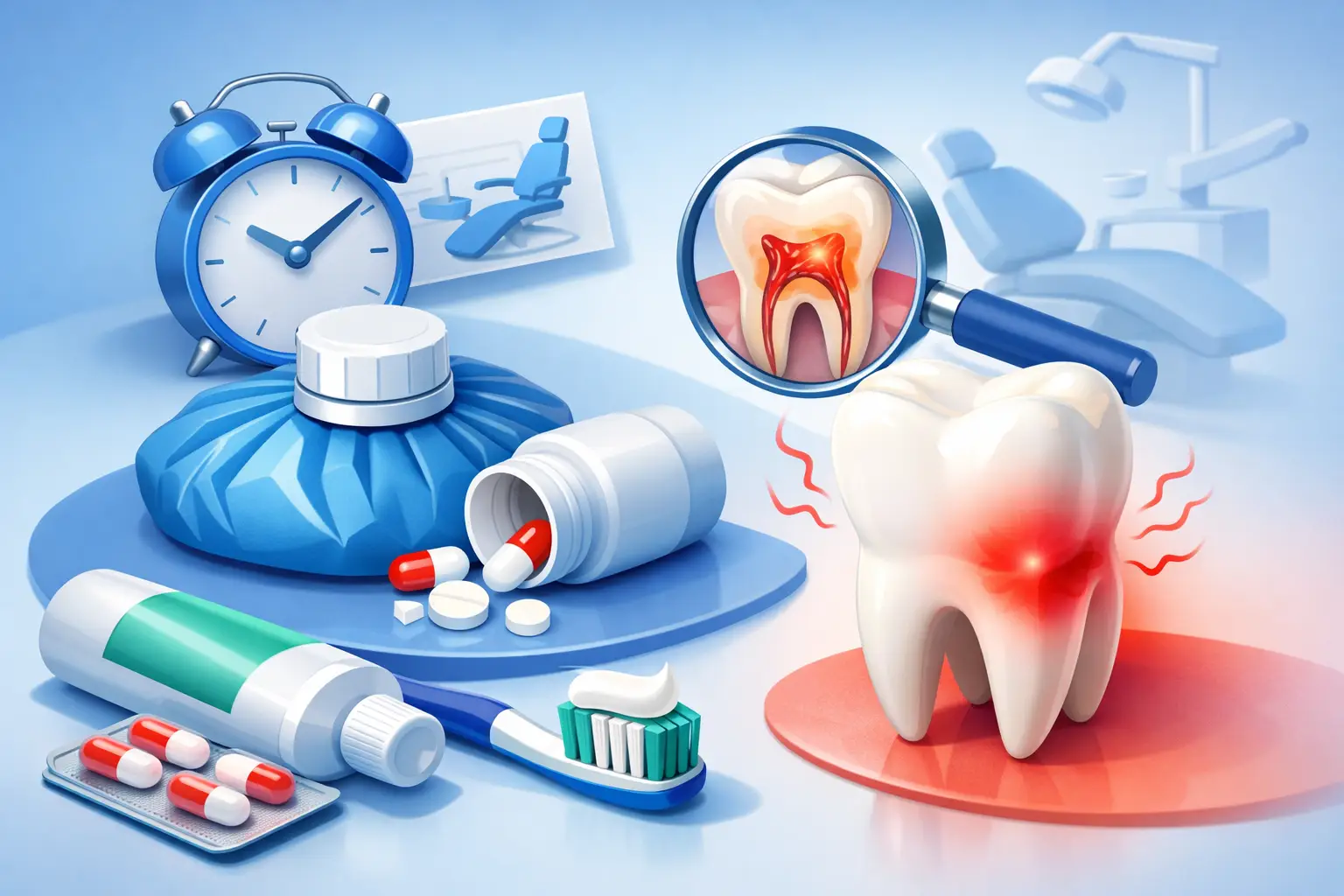
A cold compress against the outside of the cheek may also help, especially if there is swelling or throbbing. Wrap an ice pack or bag of frozen peas in a cloth and hold it to the area for 15 to 20 minutes at a time. Give your skin a break between rounds. Cold can numb the area slightly and help settle inflammation.
Over-the-counter pain relief may help bridge the gap until your appointment. Take it exactly as directed on the packet and only if it is safe for you based on your age, medical history, pregnancy status, and any other medicines you take. If you are unsure, speak with a pharmacist, GP, or dentist. It depends on the person, and the safest choice is not the same for everyone.
Try to keep your head slightly elevated when lying down. For some people, tooth pain feels worse when they lie flat because of increased pressure in the area. Another pillow may make the night more manageable while you wait to be seen.
What not to do when a tooth is aching
When people are in pain, they often reach for quick fixes they have heard about from friends or online. Some of these can make the situation worse.
Do not place aspirin directly on the tooth or gum. This does not treat the source of the pain and can burn the soft tissue. Do not use very hot compresses against a swollen face either, as heat can sometimes worsen swelling.
It is also best to avoid poking at the tooth with sharp objects, trying to drain a swelling yourself, or using temporary filling material without understanding what is underneath. A cracked tooth, infected nerve, or abscess can become more complicated if it is disturbed.
If chewing triggers pain, stick to soft foods and chew on the other side of your mouth. Avoid very cold, very hot, sugary, or acidic foods and drinks if they set the tooth off. Even a sip of iced water can be enough to aggravate an exposed nerve.
Common reasons toothache can flare up
Toothache is a symptom, not a diagnosis. That matters because the best short-term relief depends partly on what is causing it.
A deep cavity often causes sensitivity that becomes a stronger, more lingering pain over time. A cracked tooth may hurt when biting and then ease off again. Gum infection can create soreness, swelling, or a bad taste in the mouth. An abscess may cause severe throbbing, facial swelling, or pain that spreads into the jaw or ear.
Wisdom teeth can also cause pain at the back of the mouth, particularly if the gum around them is inflamed or food keeps getting trapped there. If the discomfort feels broad and pressure-like, especially with a blocked nose, sinus congestion may be playing a role.
This is one reason a proper examination matters. Two people can describe the same pain very differently, and one person can have several issues at once.
How to stop toothache before appointment if there is swelling
Swelling is a sign to take the problem more seriously. A small amount of irritation around the gum can happen with trapped food or local inflammation, but visible swelling in the gum, cheek, or jaw raises concern for infection.
Keep using a cold compress on the outside of the face and avoid pressing on the swollen area. Rinse gently with warm salt water, but do not swish aggressively if that increases pain. Drink water and avoid smoking or alcohol, which can irritate the tissues and slow healing.
If swelling is increasing quickly, or you have trouble opening your mouth, swallowing, or breathing, do not wait for a routine appointment. That needs urgent attention. Dental infections can spread, and timing matters.
Signs you should call for emergency dental care
Some toothaches can wait a short time with careful home management. Others should be assessed as soon as possible.
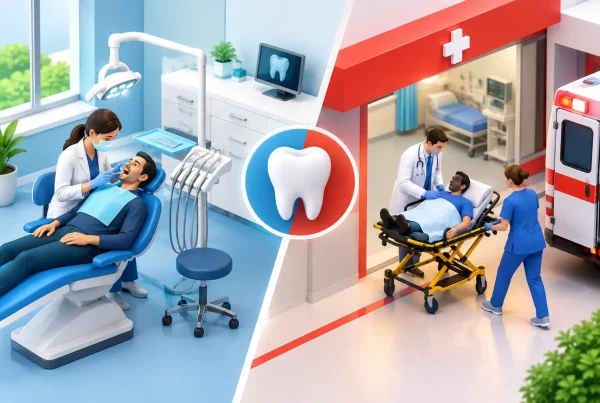
Call urgently if you have severe, constant pain that is not settling, swelling in the face or gums, pus or a bad taste that keeps returning, fever, a broken tooth with significant pain, bleeding that does not stop, or trauma to the mouth after a fall, sporting injury, or accident. You should also seek prompt help if pain is waking you from sleep or stopping you from eating and drinking normally.
For anxious patients, it is worth saying this clearly: getting advice early often means simpler treatment. Waiting in the hope that pain will disappear can turn a smaller issue into a bigger and more expensive one.
Why toothache sometimes settles, then comes back worse
One of the most confusing parts of dental pain is that it can fade for a while. People sometimes assume the problem has healed. Usually, it has not.
If a nerve inside the tooth is inflamed, pain may come and go as pressure changes. If the nerve begins to die, the sharp sensitivity may lessen temporarily, only for infection to build deeper around the root. That is why a tooth that feels better for a day or two can suddenly become much worse.
The same can happen with food trapped near the gum. You might remove the irritant and feel relief, but if there is underlying decay, gum disease, or a crack, the pain can return with little warning.
Practical steps while you wait to be seen
The goal is to reduce irritation and avoid anything that inflames the tooth further. Sip water, keep the mouth clean, and choose softer meals such as soup, yoghurt, scrambled eggs, or mash if chewing is uncomfortable. If brushing hurts, use a soft toothbrush and move slowly around the area rather than avoiding brushing altogether.
If cold air triggers pain, covering the mouth with a scarf outdoors may help a little. If night-time grinding or clenching is part of the issue, try to rest the jaw and avoid hard foods, chewing gum, and wide yawning where possible. These are small adjustments, but they can make the wait more tolerable.
If you are in the Albury-Wodonga region and the pain is escalating, contacting a clinic with emergency support can save you from trying to manage it alone.
The real fix is finding the cause
Knowing how to stop toothache before appointment can help you get through the next few hours or overnight, but it is not a substitute for treatment. A filling, root canal, extraction, gum treatment, bite adjustment, or another solution may be needed depending on what is happening under the surface.
The reassuring part is that once the source is identified, there is usually a clear path forward. Good dental care should not leave you guessing. You deserve to know what is causing the pain, what your options are, and what can be done now versus later if budget is a concern.
If you have a toothache at the moment, be kind to yourself while you wait. Use simple measures that are safe, avoid home remedies that can do more harm than good, and trust that getting it checked is the quickest way back to eating, sleeping, and getting on with life comfortably again.