
A brighter smile is one of the most common things people ask about after they have noticed photos, coffee stains, or a general dullness that seems to creep in over time. Teeth whitening can make a real difference, but the best result usually comes from choosing the right approach for your teeth, your goals, and your budget.
For some people, whitening is a simple cosmetic refresh before a wedding, job interview, or special event. For others, it is about feeling more confident day to day. Either way, it helps to know what whitening can do, what it cannot do, and why a personalised plan matters.
How teeth whitening actually works
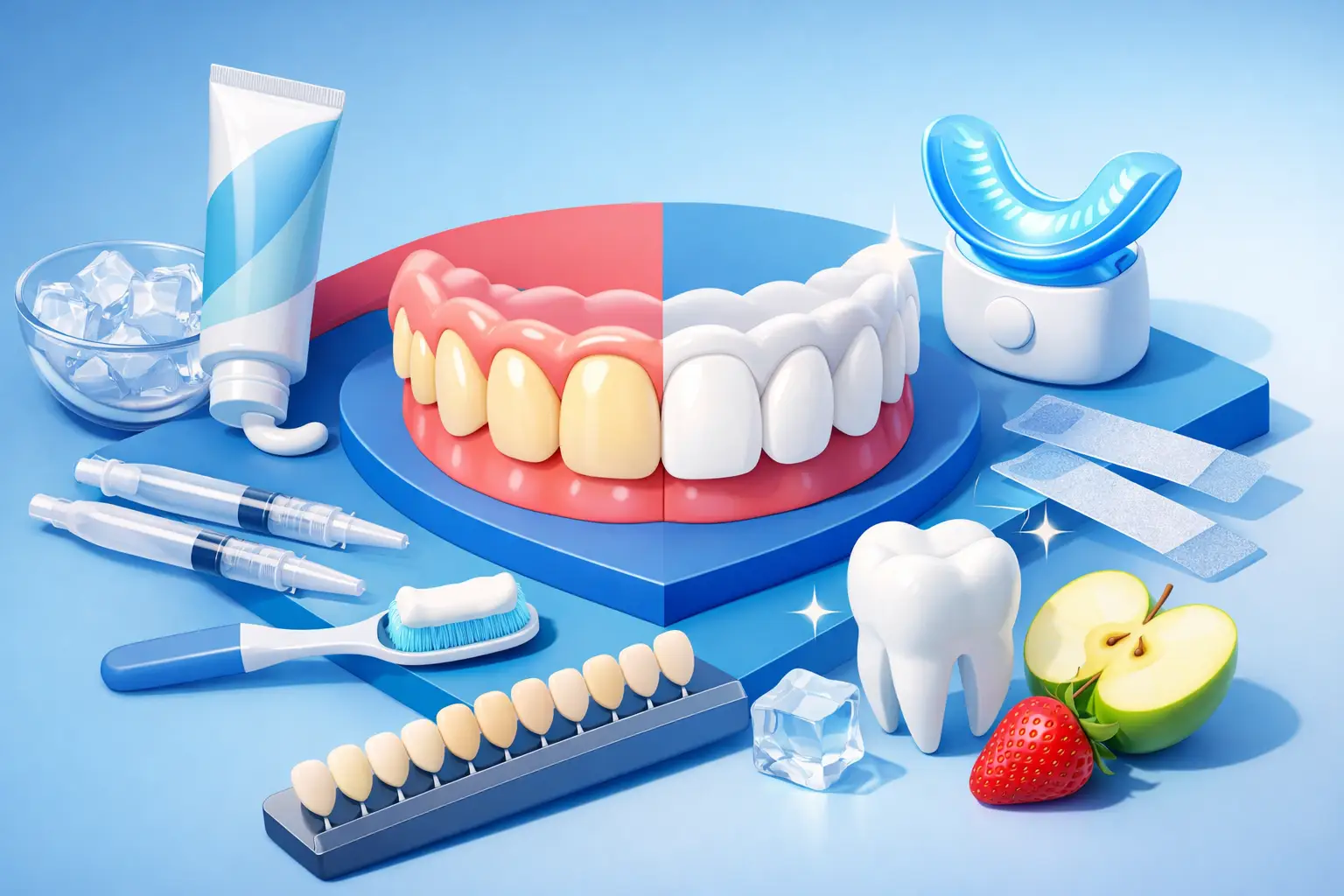
Most whitening treatments use a peroxide-based gel to lift stains from the enamel. These stains often build up gradually from coffee, tea, red wine, smoking, and the normal wear that comes with age. The gel works by breaking down stain compounds so the teeth appear lighter.
That sounds straightforward, but not every type of discolouration responds in the same way. Yellow-toned staining often lifts better than grey or brown discolouration. Surface stains usually respond more predictably than deeper changes within the tooth. If a tooth has darkened after trauma, root canal treatment, or old dental work, whitening may not give an even result.
This is where many people get caught out. They assume all tooth discolouration is the same, then wonder why an over-the-counter product has not changed much. In reality, the cause of the stain matters just as much as the product you use.
What causes teeth to look darker?
Some staining sits on the surface and builds up from daily habits. Coffee, tea, curry, red wine, cola, and tobacco are common culprits. Even people with good oral hygiene can notice gradual staining if these are part of everyday life.
Other changes happen within the tooth itself. Ageing naturally makes enamel thinner over time, which can make the yellow dentine underneath more visible. Certain medicines, previous dental trauma, and some developmental conditions can also change the colour of teeth.
Before starting any whitening treatment, it is worth making sure the issue is actually staining and not plaque, tartar, decay, leaking fillings, or gum problems. A professional check helps avoid spending money on the wrong fix.
Professional teeth whitening vs shop-bought products
There is no single right choice for everyone. It depends on how white you want your teeth to become, how quickly you want to see a change, how sensitive your teeth are, and whether you already have crowns, veneers, or fillings in visible areas.
Professional teeth whitening is designed around your mouth and monitored by a dental team. That usually means stronger, more reliable whitening gel, custom-fitted trays or an in-chair treatment, and advice that takes your oral health into account. It also means someone is looking at the bigger picture first, including gum health, existing restorations, and any signs that whitening might not be suitable yet.
Shop-bought strips, pens, and whitening toothpastes can help in some cases, especially for mild surface staining. The trade-off is that they are generally less predictable. Whitening toothpaste does not usually change the internal shade of your teeth. It can help remove some surface stain, but it will not produce the same level of change as a peroxide whitening system.
This is often where expectations need a reset. A supermarket product might freshen the look of your smile a little. If you are hoping for a noticeable lift across several shades, professional treatment is usually the more effective path.
Who is a good candidate for teeth whitening?
Most adults with healthy teeth and gums can be suitable for whitening, but suitability still needs to be checked properly. If you have active decay, worn enamel, gum disease, cracked teeth, or marked sensitivity, those issues should be addressed first.
Whitening also does not lighten crowns, bridges, composite fillings, or veneers. If you have visible dental work at the front, your natural teeth may become lighter while the restorations stay the same shade. Sometimes that is manageable. Sometimes it means planning whitening before replacing old restorations so the colour can be matched more evenly.
Pregnancy is another situation where cosmetic treatment is often deferred. Even if the risk is low, many people prefer to wait. A dentist can guide you on timing and the safest next step.
What to expect from treatment
A proper assessment comes first. That includes checking for underlying dental issues, discussing your goals, and deciding whether take-home trays or in-chair whitening is the better fit.
Take-home whitening often appeals to people who want flexibility and a more gradual change. Custom trays are made to fit your teeth closely, which helps the gel stay where it should and reduces irritation to the gums. You wear them as instructed over a set period, and the shade usually improves steadily.
In-chair whitening is faster and can be a good option if you want a more immediate result. It is still not magic, and not everyone will end up with the same shade, but it can produce a noticeable lift in a shorter timeframe.
The best option depends on your starting shade, your sensitivity level, and how quickly you want results. Some people also benefit from a combined approach.
Will teeth whitening make my teeth sensitive?
It can, but sensitivity is usually temporary and manageable. Some people feel short, sharp zings during treatment or for a day or two afterwards. Others have no sensitivity at all.
If you already have sensitive teeth, that does not automatically rule whitening out. It just means the treatment may need to be adjusted. Lower-strength gel, shorter wear times, breaks between applications, or desensitising products can all help. This is another reason personalised advice matters. Pushing through discomfort with a generic product is not the goal.
Gum irritation can also happen if whitening gel is not applied properly or if trays do not fit well. That is more common with one-size-fits-all products than with custom-made systems.
How long do results last?
Teeth whitening is not permanent. How long it lasts depends on your diet, oral hygiene, smoking status, and the natural shade of your teeth. For some people, results stay looking fresh for many months. For others, the brightness starts to soften sooner.
Coffee every morning, red wine on weekends, and smoking will all shorten the lifespan of whitening. That does not mean treatment is not worthwhile. It simply means maintenance matters.
Regular cleans, good brushing habits, and occasional top-ups can help keep your smile brighter for longer. If you have custom trays, those top-ups can be more straightforward and more cost-effective than starting from scratch each time.
What whitening cannot fix
This is one of the most important parts of the conversation. Whitening can lift stain and improve brightness, but it cannot change the shape of teeth, repair chips, close gaps, or correct uneven edges. It also cannot make old fillings or crowns match newly whitened natural teeth.
If the concern is not only colour but also wear, small fractures, patchy enamel, or misshapen teeth, another cosmetic option may be more suitable or may need to be combined with whitening. Composite veneers, for example, can sometimes address both colour and shape where whitening alone would fall short.
A good cosmetic result is rarely about doing the trendiest treatment. It is about choosing the treatment that matches the problem.
Safety matters more than quick fixes
Social media has made whitening hacks look easy. Charcoal powders, lemon juice, bicarb scrubs, and internet-bought gels can sound tempting when they promise a bright smile for less. The issue is that cheaper and harsher does not always mean safer, and damage to enamel or irritated gums can leave you worse off.
Even legitimate whitening products are not one-size-fits-all. If there is hidden decay, exposed roots, defective fillings, or gum recession, using whitening products without advice can be uncomfortable at best and harmful at worst.
That is why a dentist-led plan is worth considering, especially if you have not had a check-up in a while or if you have any existing dental work. At Riverina Dental Albury, that conversation is kept straightforward and patient-focused, so you know what is likely to work, what may not, and how to approach treatment in a way that feels comfortable.
Making the right choice for your smile
The best whitening result is not always the whitest possible shade. For many people, it is a natural-looking improvement that suits their face, avoids unnecessary sensitivity, and fits comfortably within their budget. Sometimes that means in-chair treatment. Sometimes it means custom take-home trays. Sometimes it means dealing with a dental issue first and whitening later.
If you have been thinking about whitening, the smartest first step is not picking a product off the shelf. It is understanding why your teeth look the way they do and what kind of result is realistic for you. A brighter smile should feel like a confident, healthy improvement – not a guessing game.